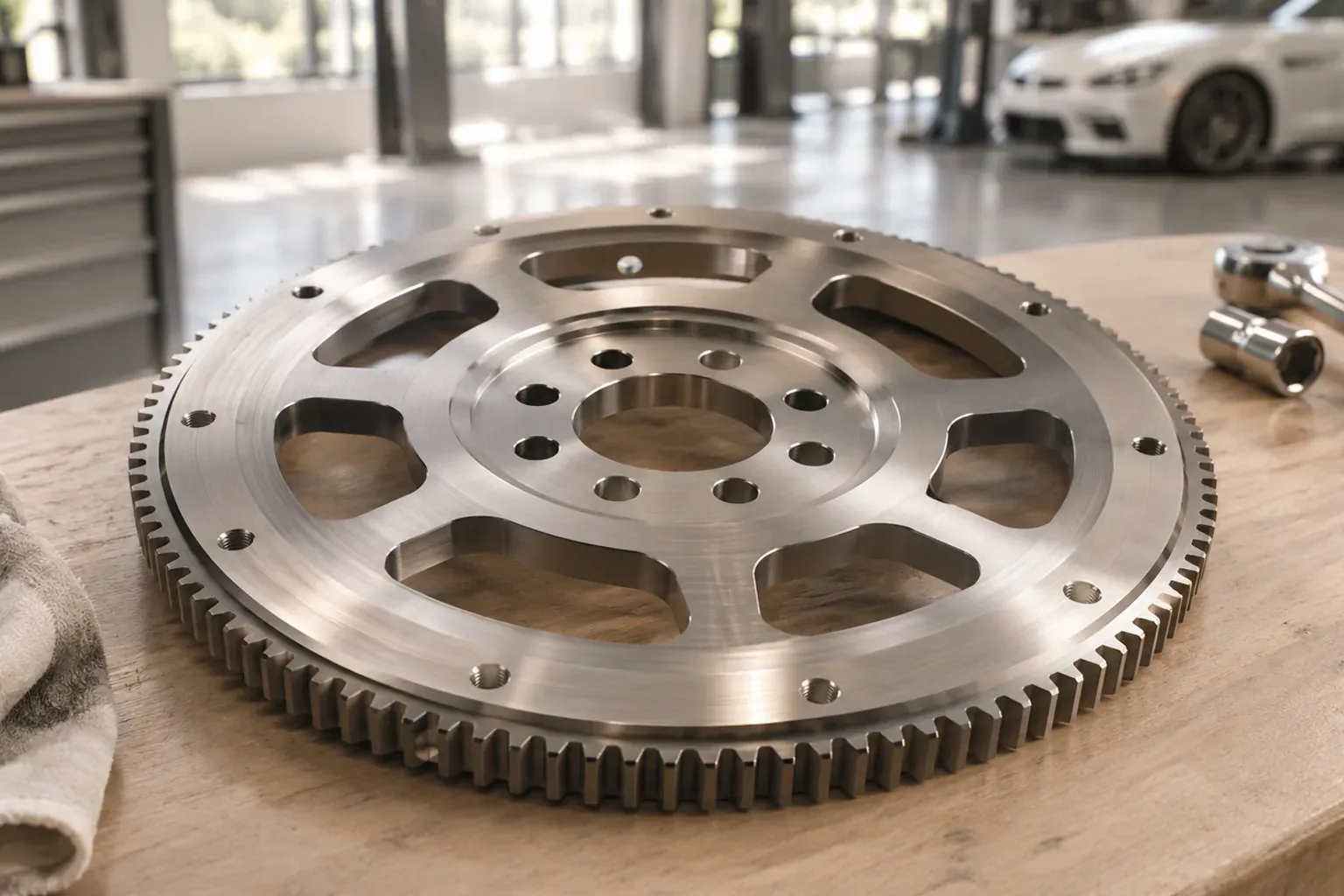
Lightweight flywheel:real gains, drawbacks and when to fit one on a sports car
- Inertia and feel
- Single vs dual-mass
- Road or track
A lightweight flywheel is a single-mass flywheel lighter than the stock dual-mass. The engine revs up and down faster, helping downshifts and heel-and-toe, but power does not change. It filters fewer vibrations: gear rattle, low-rpm shunt and trickier take-offs. It suits track-focused or high-revving NA cars, less so mostly urban use.
The flywheel shapes engine response and drivetrain comfort. This guide covers inertia only; clutch choice is in our uprated clutch article.
The flywheel's role, simply explained
▸ Inertia, idle, starter, friction surface
It stores rotational energy, carries the starter ring and the clutch friction face.
▸ Why dual-mass became standard
To filter vibrations, protect the gearbox and improve comfort.
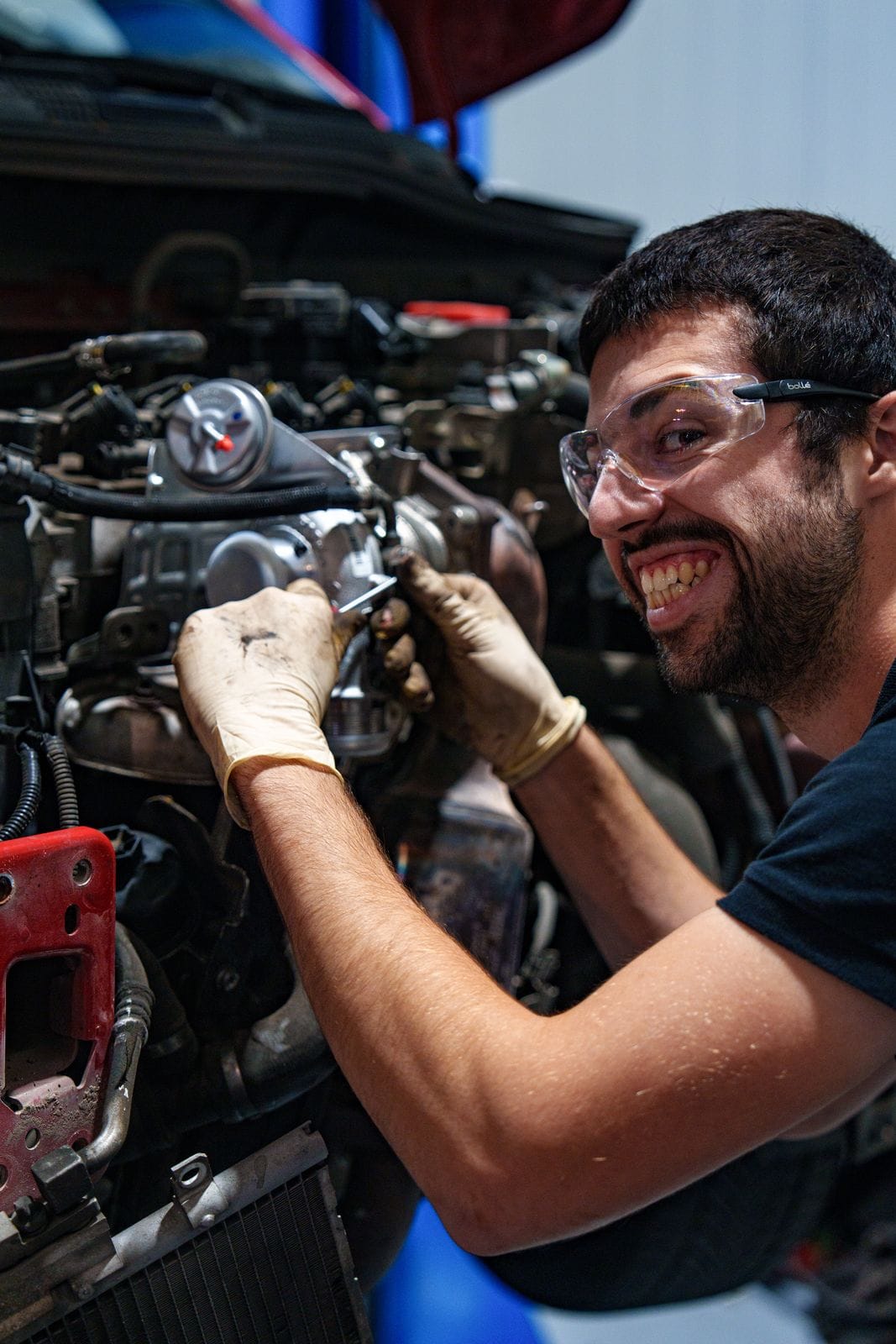
Single-mass, dual-mass, lightweight: the differences
Three families, three ways of transmitting torque.
Dual-mass: springs, torque limit, wear
Springs absorb shocks but have a torque limit and wear out.
Lightened steel vs aluminium with steel insert
Steel is the robust compromise; aluminium is the most responsive.
Comparison
| Criterion | Stock dual-mass | Lightened steel | Aluminium + steel insert |
|---|---|---|---|
| Rev response | Reference | Quicker | Quickest |
| Comfort | High | Reduced | Low |
| Track use | Possible | Suited | Very suited |
A flywheel is chosen with the whole drivetrain, as in gearbox preparation.
What a lightweight flywheel really changes
The difference is felt immediately, with a comfort cost.
▸ Revs rise and fall faster
Sharper downshifts and heel-and-toe.
▸ The horsepower myth
Power is unchanged; an inertia dyno may read differently.
▸ The trade-offs
Gear rattle, low-rpm shunt, trickier take-offs.
When does it make sense on a sports car?
It depends on your use.
Track-focused use at Le Castellet
Part of a trackday preparation.
High-revving NA vs torquey turbo
NA engines benefit most.
After a remap
Consider it with an uprated clutch; see stage 1, 2, 3.
When we advise against it
Mostly urban use, vibration-sensitive gearboxes.
Fitting a lightweight flywheel properly
No approximation allowed.
Balancing, torque, new bolts
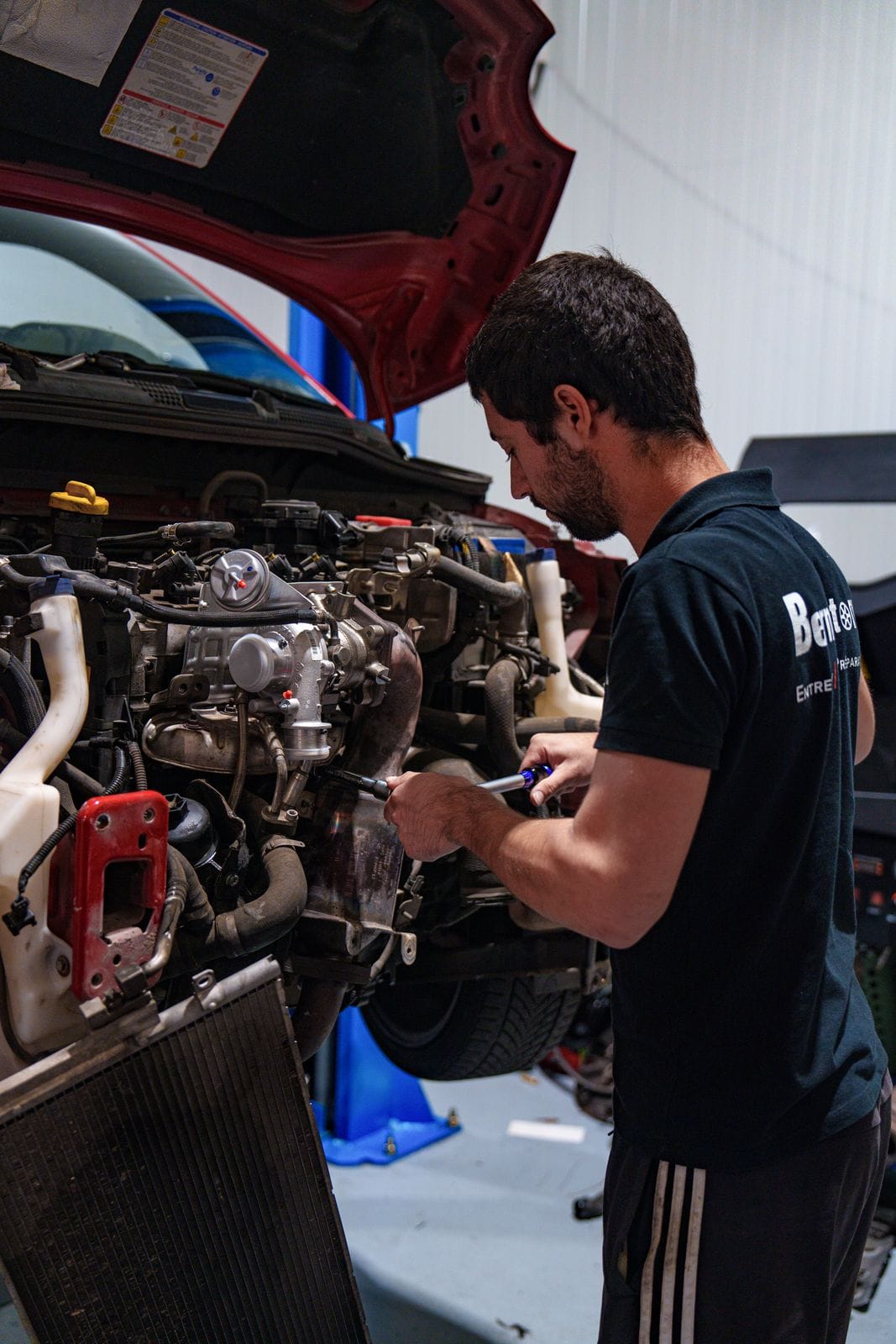
Balanced part, new bolts torqued to spec.
Clutch kit and ring gear
Check compatibility and ring gear condition.
Bedding in
Gentle first kilometres.
Common mistakes
Most disappointments come from choice or fitting.
Going as light as possible
Lighter is not always better.
Forgetting the gearbox
More vibration reaches the gears.
Untraceable parts
Quality is non-negotiable.
Not adapting the map
Calibration reduces stalls and shunt.
FAQ: lightweight flywheel
Is it an issue for roadworthiness inspection?
It is not inspected, but declare it to your insurer.
Is gear rattle at idle normal?
Light rattle is; loud noise is not.
How long does it last?
A quality single-mass can last a long time.
Can I go back to dual-mass?
Yes, with another gearbox removal.
Should the clutch be changed too?
Strongly recommended.
Does it add horsepower?
No, power is unchanged.
Have your drivetrain assessed first
Visit our Signes workshop, 700 m from Circuit Paul Ricard, for a clutch, flywheel and gearbox assessment. Call, text or WhatsApp us.

A project,
a call.
Tell us about your car and how you use it. We'll figure out the right service together, maintenance, engine tuning, chassis, restoration.
83870 Signes
Across from the Paul Ricard circuit
Monday, Friday · 9:30-18:00
By appointment only